
Wondering when the first frost will arrive in your area? Find the average first and last frost dates for towns and cities across the UK, and discover how cold weather affects garden birds.
The first frost date refers to the average time of year when temperatures first fall below 0°C. It generally marks the point when colder weather begins to become more common.
The last frost date is the average time of year when temperatures are expected to rise above freezing consistently, marking the end of the typical frost period.
Both can vary considerably depending on location, altitude and local weather conditions.
First and last frost dates across the UK
Use the table below to find the average first and last frost dates for your nearest town or city.
These dates are a general guide only. Frost can occur earlier or later depending on local conditions and the weather in any particular year.
| City | First Frost Date | Last Frost Date |
|---|---|---|
| Aberdeen | 21st–30th November | 1st–10th May |
| Aberystwyth | 21st–30th November | 11th–20th May |
| Barnsley | 1st–10th December | 11th–20th May |
| Basingstoke | 11th–20th November | 1st–10th May |
| Belfast | 11th–20th December | 1st–10th April |
| Birmingham | 21st–30th November | 21st–30th April |
| Bournemouth | 1st–10th November | 11th–20th April |
| Bristol | 21st–31st December | 11th–20th March |
| Cambridge | 11th–20th December | 11th–20th April |
| Cardiff | 1st–10th January | 11th–20th March |
| Derby | 21st–30th November | 1st–10th May |
| Derry | 21st–31st December | 21st–31st March |
| Dublin | 21st–30th November | 1st–10th May |
| Dundee | 1st–10th December | 1st–10th April |
| Edinburgh | 21st–31st October | 1st–10th May |
| Exeter | 1st–10th December | 1st–10th May |
| Falmouth | Frost rare | 21st–31st March |
| Glasgow | 11th–20th December | 1st–10th April |
| Gloucester | 11th–20th December | 11th–20th March |
| Harrogate | 21st–30th November | 21st–30th April |
| Hull | 11th–20th November | 21st–30th April |
| Inverness | 21st–30th November | 21st–30th April |
| Leeds | 21st–30th November | 21st–30th April |
| Liverpool | 1st–10th December | 21st–30th April |
| London | Frost rare | 11th–21st March |
| Manchester | 21st–31st December | 1st–10th April |
| Newcastle | 11th–20th December | 21st–30th April |
| Norwich | 11th–20th December | 1st–10th April |
| Nottingham | 21st–30th November | 1st–10th May |
| Oxford | 21st–30th November | 21st–30th April |
| Peterborough | 1st–10th December | 21st–30th April |
| Plymouth | 21st–31st December | 21st–31st March |
| Sheffield | 1st–10th December | 21st–30th April |
| Southampton | 21st–30th November | 11th–21st April |
| Swansea | Frost rare | 21st–31st March |
| Weymouth | 1st–10th January | 11th–21st March |
| Wolverhampton | 21st–30th November | 1st–10th May |
| York | 11th–20th November | 1st–10th May |
How to help garden birds during cold weather
There are several simple things you can do to make your garden more bird-friendly when temperatures drop.
1. Provide high-energy bird food
During cold weather, birds need plenty of energy to help them stay warm. High-energy foods such as suet, sunflower hearts, and energy-rich seed mixes can provide valuable sources of food during the colder months.
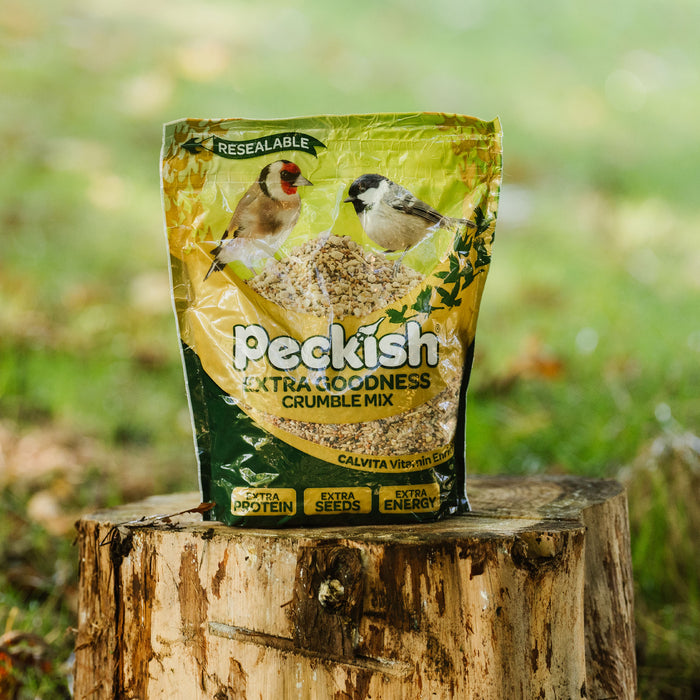
Peckish Winter Warmer Seed Mix is a great option for attracting a variety of garden birds, while suet products provide an energy-rich food source when temperatures fall.

2. Keep your feeders topped up
Try to maintain a consistent supply of food, particularly during periods of freezing weather. Once birds discover a reliable food source in your garden, keeping feeders topped up regularly can help them return when they need food. It's also a good idea to spread feeding stations around the garden where possible, giving smaller birds more opportunities to feed away from larger or more dominant species.

3. Provide fresh, clean water
Food isn't the only thing garden birds need during winter. Put out fresh, clean water for birds to drink and bathe in, and check it regularly during freezing weather. Natural sources of water can freeze during cold spells, making garden bird baths particularly useful.
If your bird bath freezes, remove the ice and replace it with fresh water. Never add chemicals or antifreeze to prevent water from freezing.
4. Give birds somewhere to shelter
Cold winds and wet weather can make winter particularly challenging for small birds. Dense hedges, shrubs, trees and climbing plants can provide valuable shelter and somewhere for birds to hide from the elements. If you have space, leaving some areas of your garden a little more natural can also provide useful cover.
5. Keep feeding areas clean
Regularly cleaning feeders and feeding areas is an important part of responsible bird feeding. Remove old or uneaten food and clean feeders regularly to help reduce the potential spread of disease between garden birds.
Allow feeders to dry thoroughly before refilling them with fresh food.

What should you feed birds when it freezes?
When temperatures drop below freezing, choosing high-energy bird food can help provide birds with the energy they need during cold weather.
Good options include:
- Suet – an energy-rich food that's particularly useful during colder weather.
- Sunflower hearts – packed with energy and popular with many garden birds.
- Seed mixes – provide a range of nutrients and can attract different species to your garden.

When should you start feeding birds for winter?
You don't need to wait until the first frost before feeding garden birds.
Garden birds can benefit from supplementary feeding throughout the year, and continuing to provide food as temperatures begin to fall can help them find a reliable food source before the coldest weather arrives.
As autumn progresses, consider introducing more energy-rich foods such as suet and high-energy seed mixes alongside your usual bird food.
Frequently asked questions
When is the first frost in the UK?
There isn't one single first frost date for the UK. The timing varies significantly by location, with some areas experiencing frost earlier in autumn and others remaining frost-free for considerably longer.
Use our table above to find the average first frost date for your area.
When is the last frost in the UK?
The last frost can occur anywhere from March through to May, depending on where you live. Northern and higher-altitude areas generally experience frost later into spring.
When should I start feeding garden birds in winter?
You can feed garden birds throughout the year, but providing a reliable source of food becomes particularly important during periods of cold or frosty weather when natural food sources can become harder to find.
What is the best food for birds in freezing weather?
High-energy foods such as suet, sunflower hearts, and energy-rich seed mixes are good choices during cold weather.
Do birds need water in winter?
Yes. Birds still need fresh water for drinking and bathing during winter. Check bird baths regularly during freezing weather and remove ice when necessary.